Experiential education lies at the heart of this philosophy: the belief that understanding emerges not only from studying the world, but from engaging with it directly.
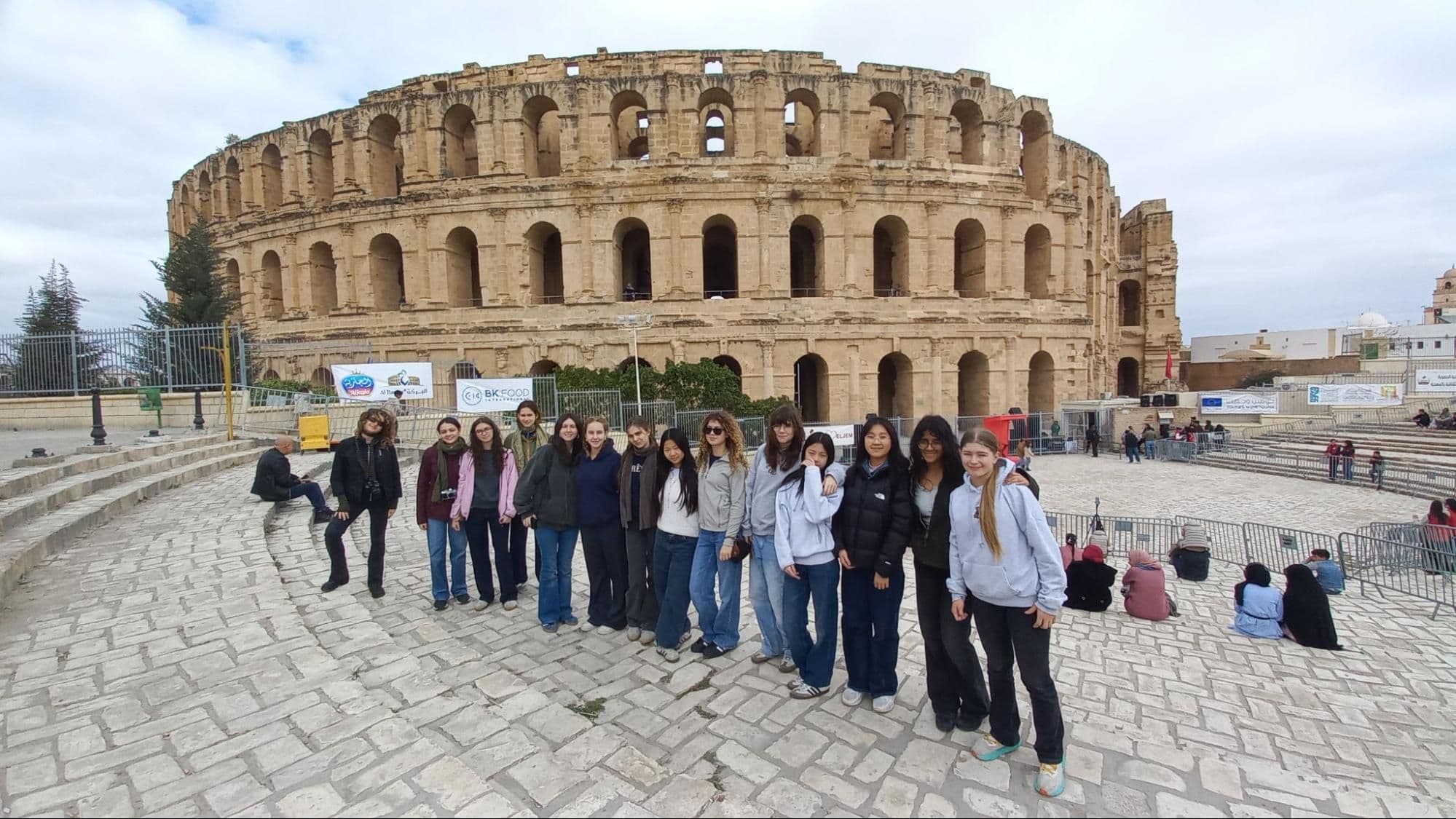
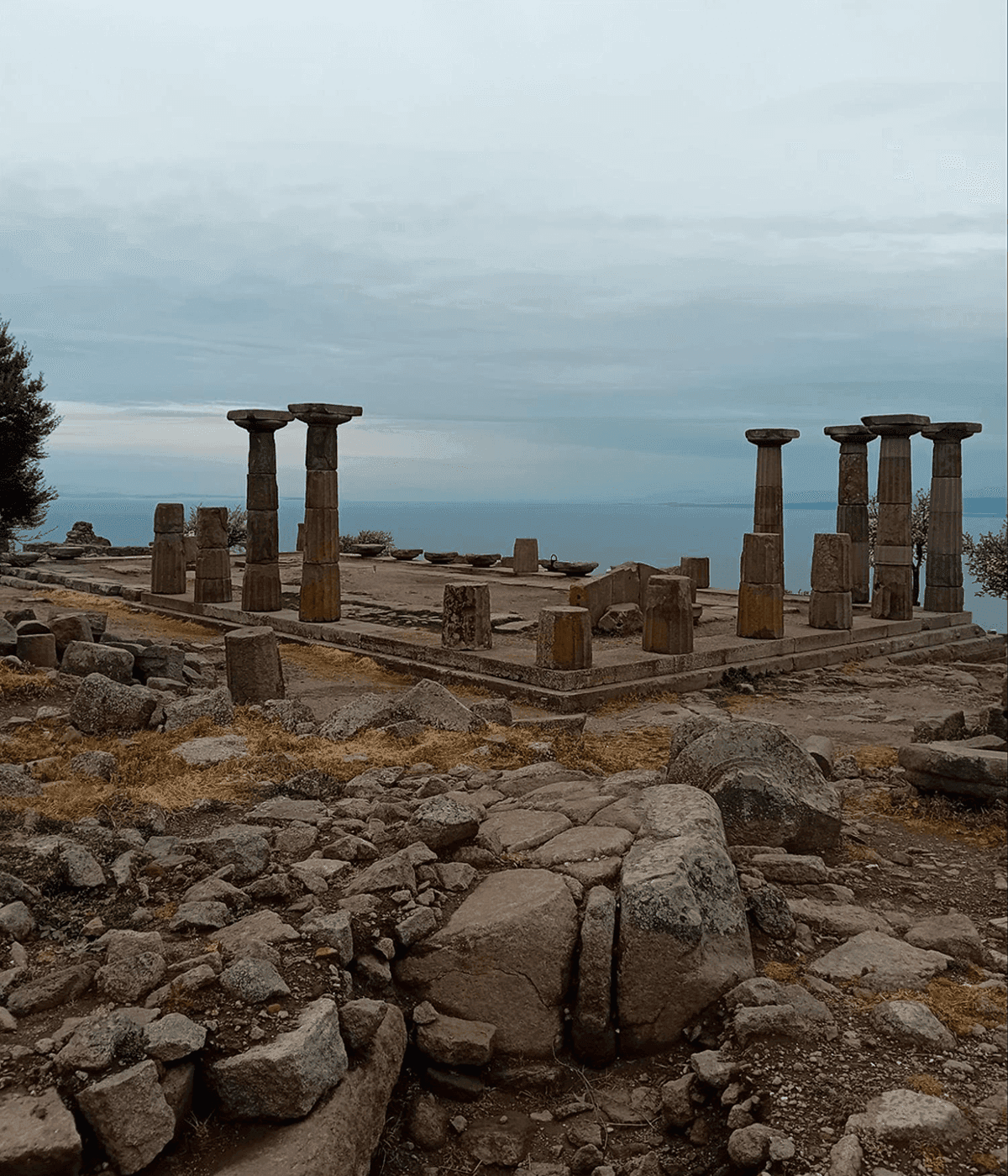
Each year, students step beyond the boundaries of campus into a wider, more complex landscape of ideas and experiences. They walk through the histories of Crete and the Dardanelles, encounter layered identities in Tunisia and Morocco, and explore the rhythms of life in Ireland. In Finland and Madeira, they observe natural systems not as abstractions, but as living environments. In Slovenia and Oman, they navigate physical and mental challenges that demand resilience and trust. In Argentario, they learn to read wind and water—discovering that knowledge is as much about intuition as it is about instruction.

Other journeys invite students to consider their futures: university pathways in the United Kingdom and the United States, or the vast possibilities suggested by aerospace exploration in places like Cape Canaveral. Alongside these global expeditions, creative and scientific projects—whether through mural painting or hands-on inquiry—offer spaces for expression, experimentation, and discovery.
Yet the significance of these experiences lies not only in their destinations, but in the questions they provoke. What does it mean to belong in a place that is not your own? How do we respond when certainty gives way to ambiguity? What do we learn about ourselves when we are asked to adapt, to collaborate, or to lead?
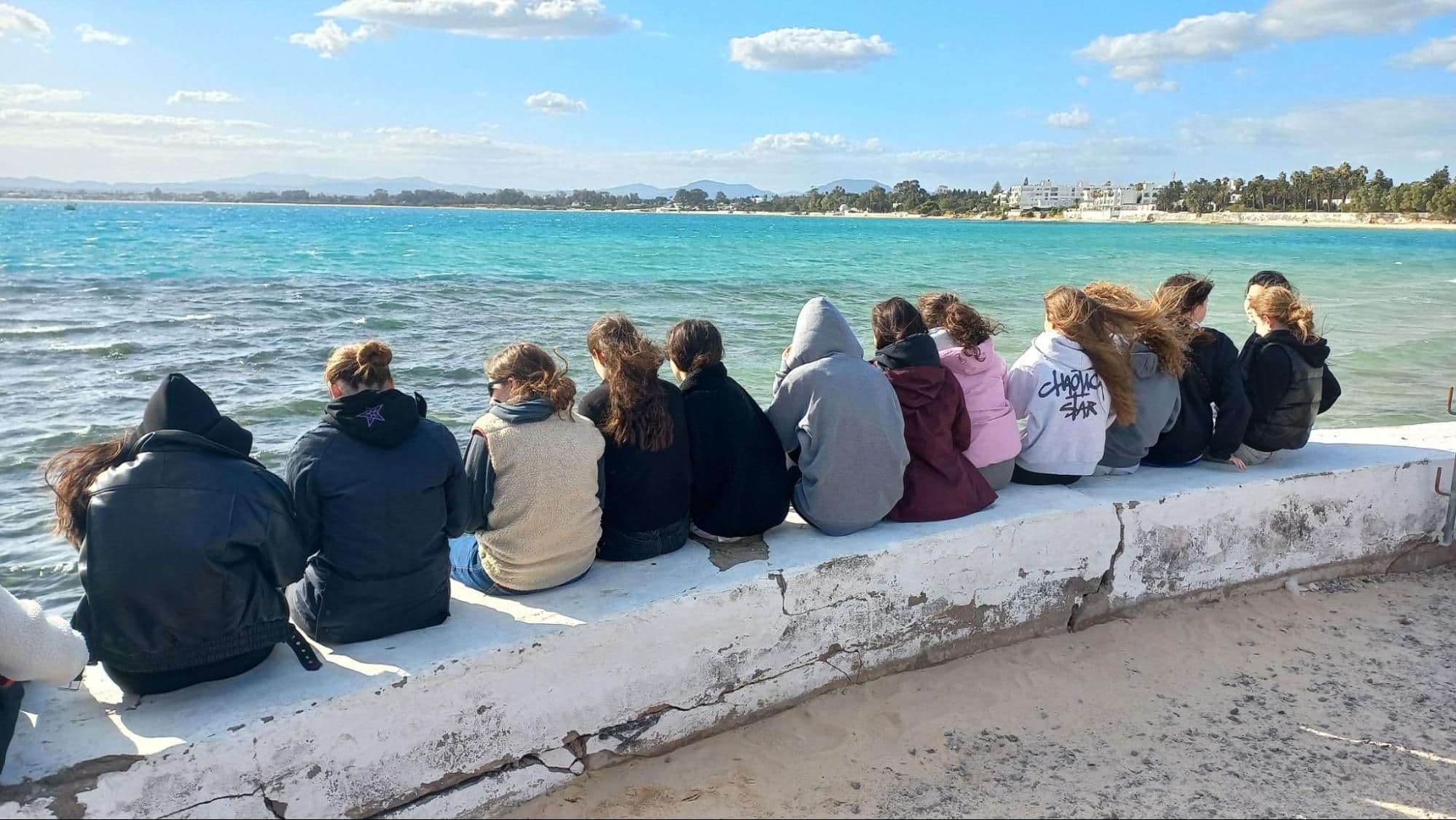
Experiential education at St. Stephen’s asks students to sit with these questions. It invites them to move beyond passive understanding and into active engagement—to see learning as a process of becoming. In navigating unfamiliar environments, students develop not only practical skills, but a deeper awareness of their own capacities: to listen, to observe, to respond with thoughtfulness and care.

This approach reflects a broader truth: that education is not simply the accumulation of knowledge, but the cultivation of perspective. It is through encounter—with people, with places, with ideas—that students begin to understand complexity, develop empathy, and form a sense of responsibility toward the world they inhabit.
For many St. Stephen’s alumni, these experiences remain among the most enduring aspects of their education. They recall not just where they went, but how those moments reshaped the way they think, see, and engage.
At its core, experiential learning at St. Stephen’s is about transformation. It is about recognizing that the world itself is a teacher—and that to move through it with curiosity, humility, and openness is, perhaps, the most meaningful education of all.