From Wednesday, 7 October through Friday, 9 October, students will take part in the School’s Autumn Experiential Learning program, continuing a tradition that has been part of a St. Stephen’s education for decades.
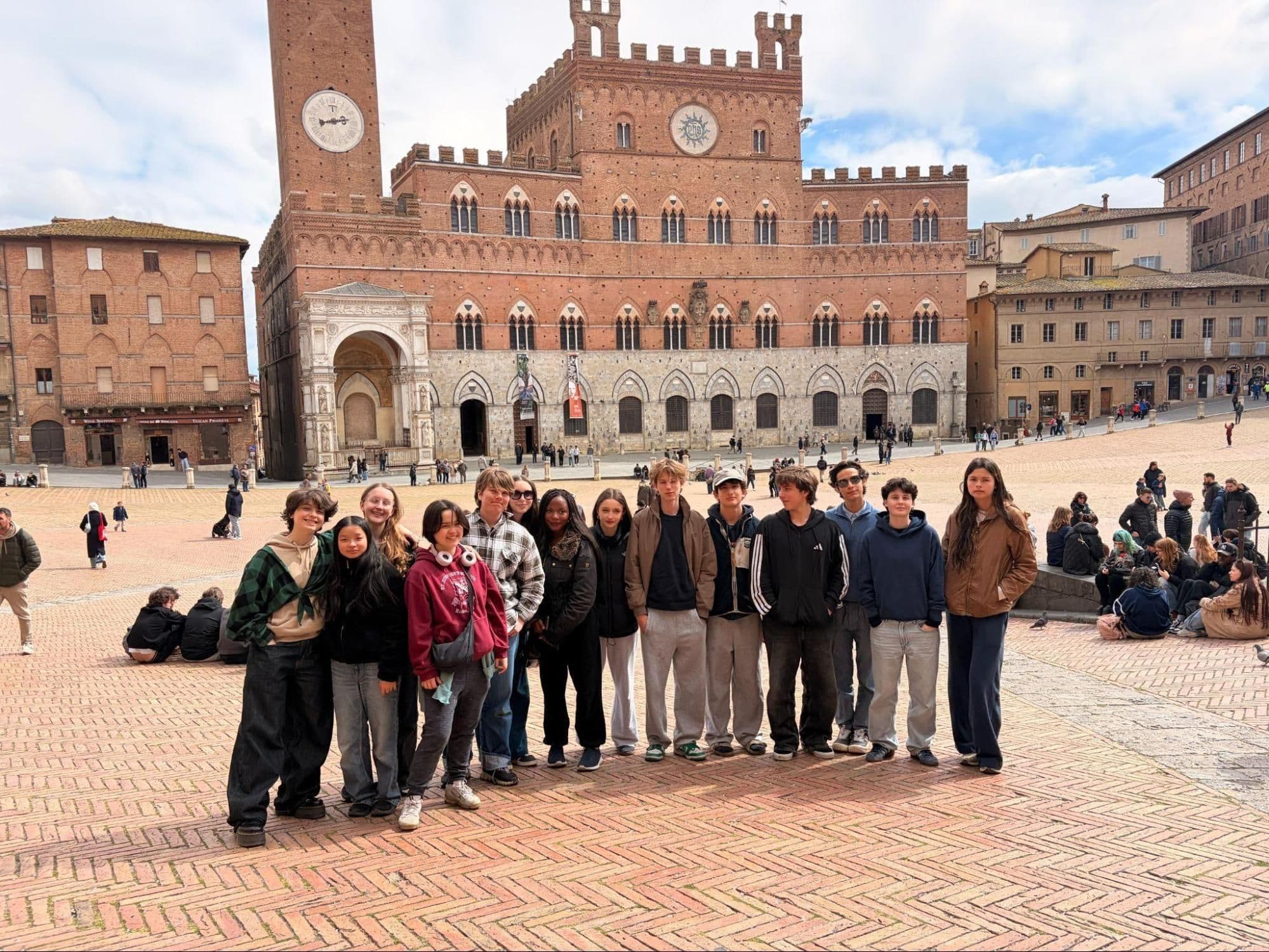
Experiential Learning is not an addition to the academic program. It is an integral part of it—and one of the clearest expressions of the School’s mission:
St. Stephen’s is an American school providing an international education in a caring, culturally rich environment, empowering students to become independent and creative learners prepared for a complex world.
That preparation requires more than mastering academic content. It also means learning how to encounter new places and perspectives with curiosity, how to navigate unfamiliar situations, how to work with others, and how to become increasingly confident and independent in the wider world.
For sixty years, St. Stephen’s has embraced the idea that education should extend beyond traditional classroom boundaries. Experiential Learning gives students the opportunity to engage directly with history, culture, communities, landscapes, and one another. These experiences encourage intellectual curiosity while also developing qualities that are more difficult to teach from a textbook alone: adaptability, collaboration, independence, empathy, and the confidence to approach something unfamiliar.
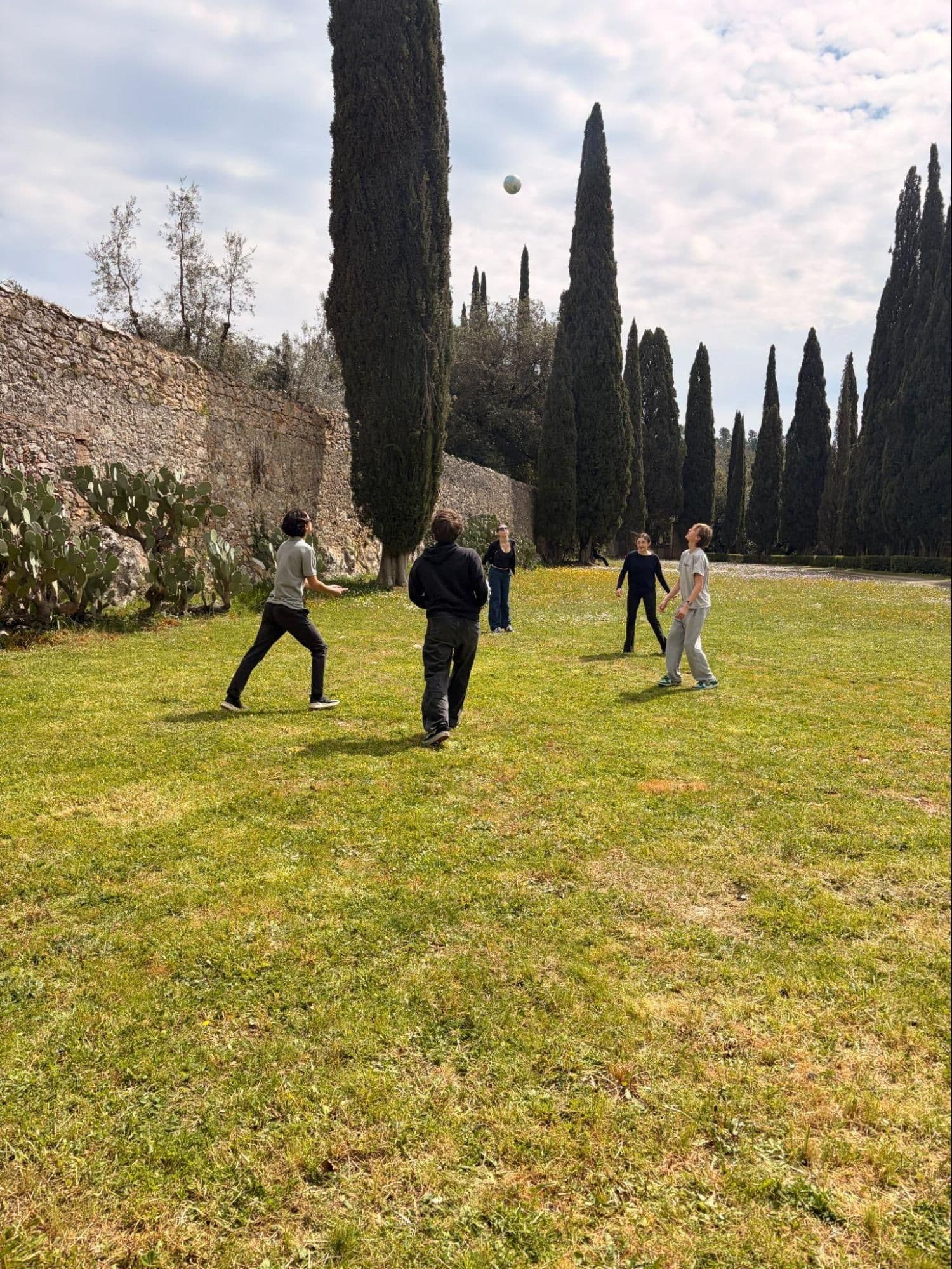
This autumn, Grade 9 and 10 students will participate in a series of activities in and around Rome on 7 and 8 October before setting out on full-day experiences on Friday, 9 October. Grade 9 students will travel to Pompeii, while Grade 10 students will visit Orvieto.
For Grades 11 and 12, the experience expands further, with students choosing among a range of overnight excursions to destinations across Italy. Spending several days learning and traveling together gives students an opportunity not only to encounter a place in greater depth, but also to build relationships with classmates and faculty outside their usual routines.
The structure of the program evolves as students move through St. Stephen’s. Younger students begin by exploring Rome and destinations within reach of the city, while older students are given greater choice and responsibility. That progression reflects the School’s commitment to developing independent learners—students who can make thoughtful decisions, adapt to new circumstances, and take increasing ownership of their experiences.
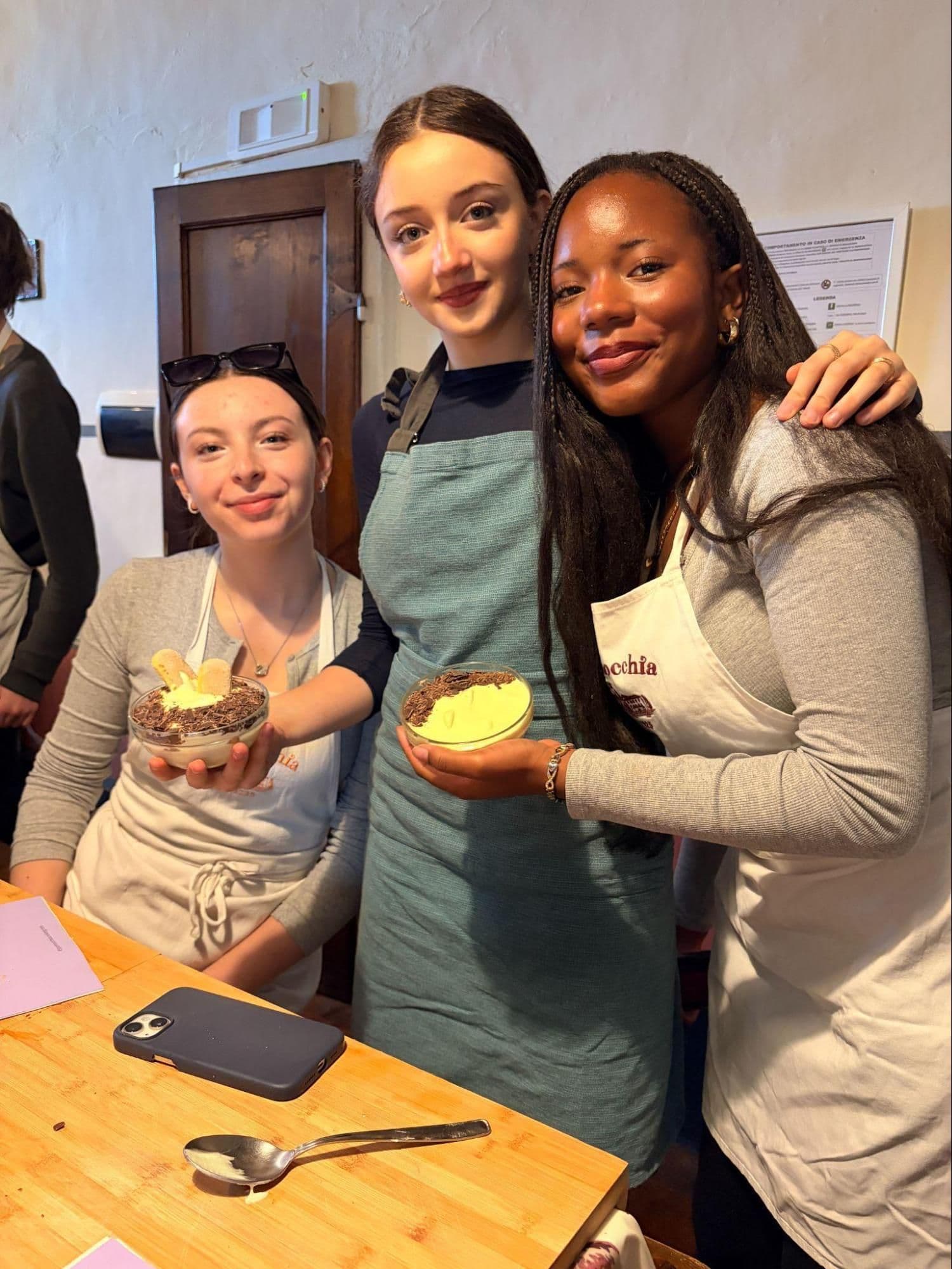
Just as importantly, Experiential Learning creates community. Traveling, discovering, problem-solving, sharing meals, and experiencing something new together often allow students to form friendships and connections that extend well beyond the trip itself.
In a school whose students bring together so many nationalities, cultures, languages, and perspectives, learning to understand the world—and one another—is fundamental to the St. Stephen’s experience.
Experiential Learning helps make that possible. It takes the values and ambitions of the School’s mission and puts them into practice: encouraging students to be curious, creative, culturally aware, and increasingly independent.
Because preparing students for a complex world means giving them opportunities to experience it.