St. Stephens's School Rome





Community Gateway
Back to GatewaySt. Stephens's School Rome
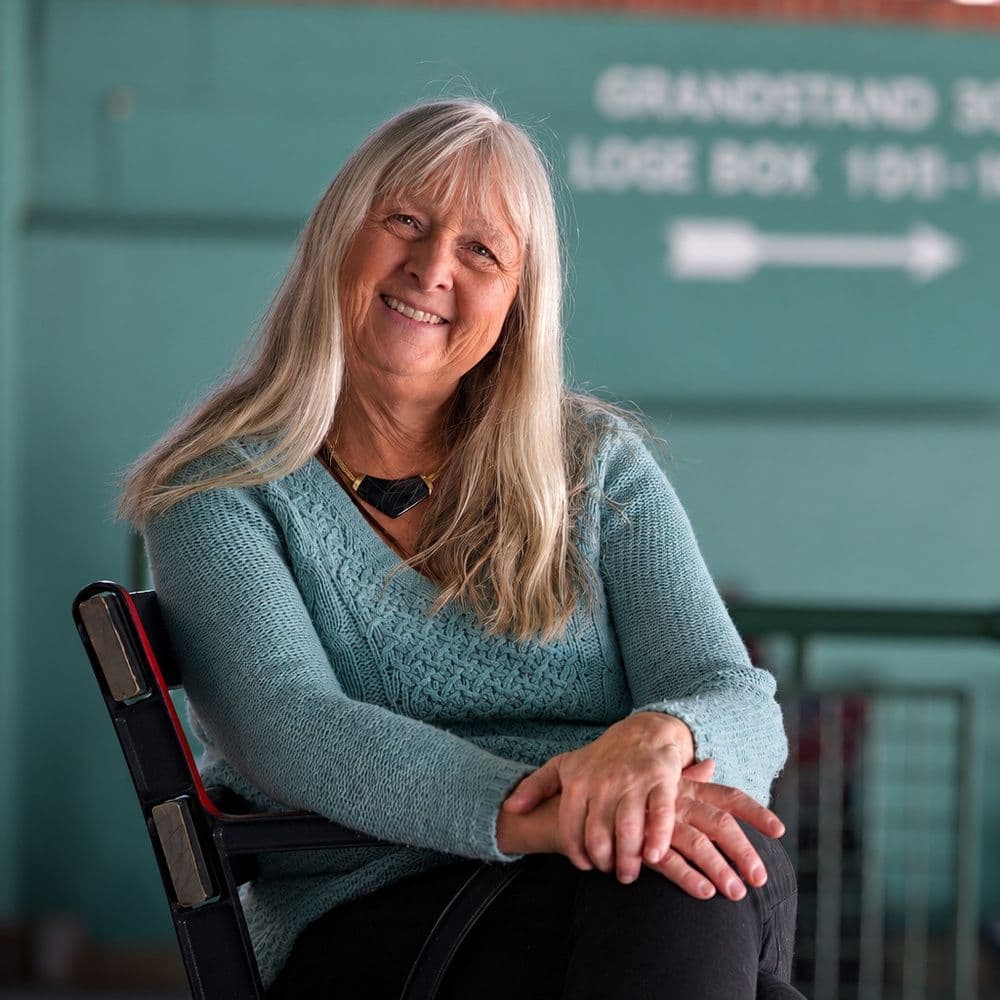
I grew up in Amherst, Massachusetts, where my family moved shortly after my birth in Iowa City. My father was a professor of finance at the University of Massachusetts Amherst, and it was his decision to spend a sabbatical year in Oxford, England, that ultimately brought my sister and me to St. Stephen’s.
Our parents gave us the opportunity to attend high school in Europe, and the choice was easy. A cousin and a close friend from Amherst had shared wonderful stories about their experiences at St. Stephen’s, and we decided to follow in their footsteps.
I wrote about many of my most vivid memories in an essay I published on Substack in October 2026. What I didn't fully explore in that piece, however, was the extraordinary friendships I formed during that single year, many of which have lasted a lifetime. I remain close to my former roommate, Barbara Haeger, and to my classmate Jackie Judd, whose marriage actually began in my hospital room! When I was in my late twenties, Jackie came to visit me during a serious illness, as did a colleague from Sports Illustrated. They struck up a conversation across my hospital bed, left together, and married a year later. They're still married today.
Another friendship that has endured is with Tom and Pieter Burgess. Tom taught Latin and Greek at St. Stephen’s, and he and Pieter were dorm masters at one of the boys' residences. We shared a love of Cape Cod, and over the decades our friendship has grown to include my family. In September 2025, Tom and Pieter hosted my daughter's wedding reception at their Cape Cod home. These relationships remind me that St. Stephen’s was much more than a school I attended for a year. It gave me friendships that have enriched every chapter of my life.
Franca Camiz, who taught me History of Art and History of the Renaissance, profoundly influenced my life. Through her inspiring lectures and our many field trips, she brought art to life and introduced me to entirely new ways of understanding how cultures and societies are shaped by history. She often sent us into Rome to experience firsthand the works we were studying, and I was so captivated by her teaching that when I arrived at Wellesley College, Franca's alma mater, I decided to follow in her footsteps and major in art history.
Our relationship extended beyond the classroom. Franca also supervised evening study hours at the Lord Byron Hotel, where I boarded, and we often spent my breaks talking about all sorts of subjects. I always sensed her genuine interest in getting to know me as a person. She was not only a remarkable teacher but someone whose influence I have carried with me throughout my life.
I can think of no meaningful aspect of my life that wasn't profoundly affected by my experiences at St. Stephen’s. The school challenged me intellectually in ways I had never experienced before, particularly through my introduction to Renaissance history and art. But just as transformative was learning to live independently in a city I initially knew nothing about. Before long, I felt comfortable exploring Rome on my own, discovering a sense of confidence, competence, and resilience that I doubt I would have developed had I remained in the familiar surroundings of Amherst.
The school's small size also changed my understanding of friendship. At home, I had grown up surrounded by people I'd known for years, but at St. Stephen’s, everyone was new. I learned how to build friendships from the beginning, and ironically, being part of a smaller school greatly expanded my circle of friends. I also remember the extraordinary faculty, whose storytelling brought history alive during our classes, walking tours, and field trips. They taught me to appreciate the lessons history offers us, something that has remained central to my life and work.
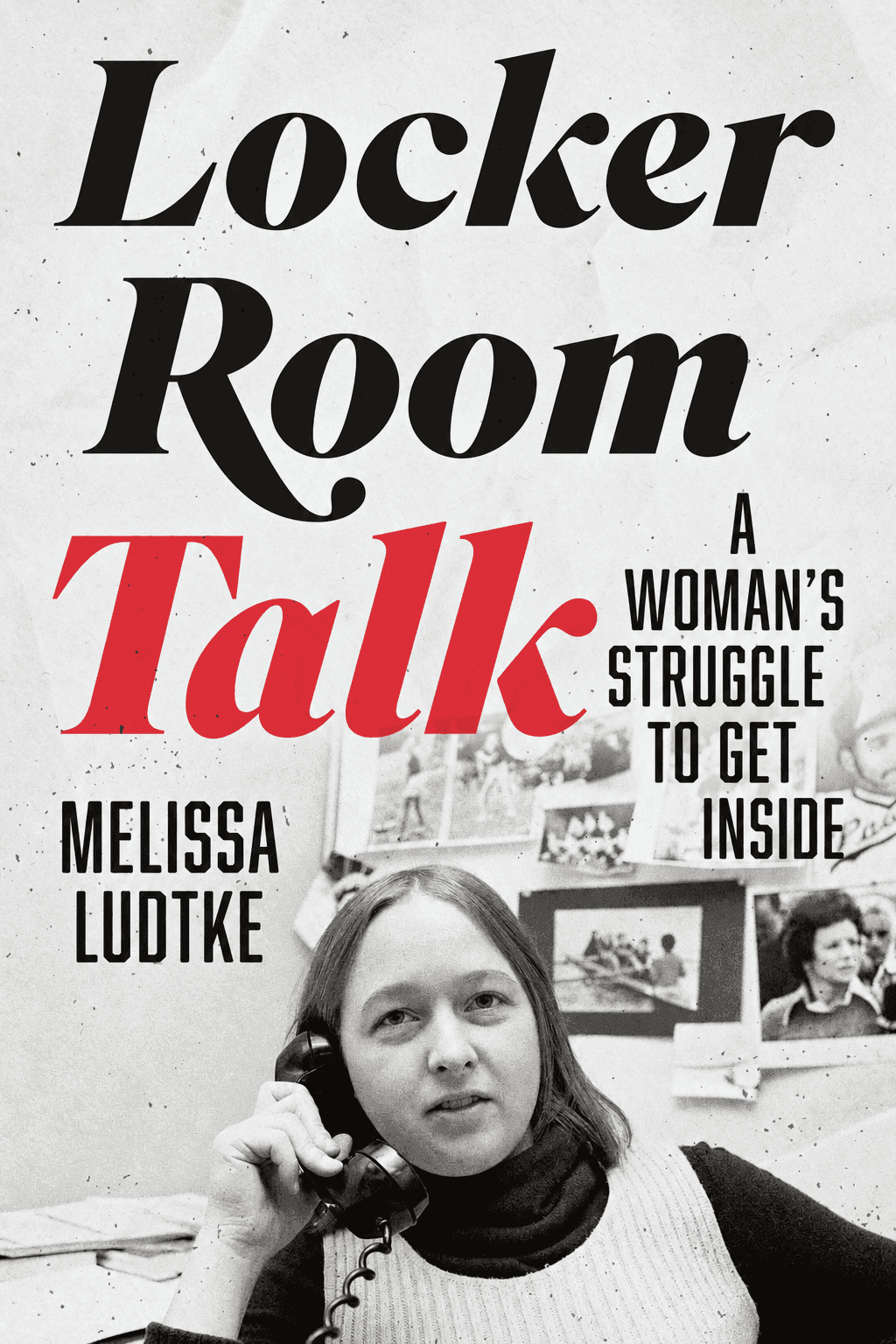
When Sports Illustrated and its parent company, Time Inc., asked me to become the named plaintiff in the lawsuit against Major League Baseball, I had little idea of the controversy that would follow. I was 26, loved my job, and simply wanted the same access to interview players that my male colleagues enjoyed. Without that access, I feared my editors might replace me with a man. I didn't see myself as particularly courageous; I saw the lawsuit as the only way to continue doing the work I loved.
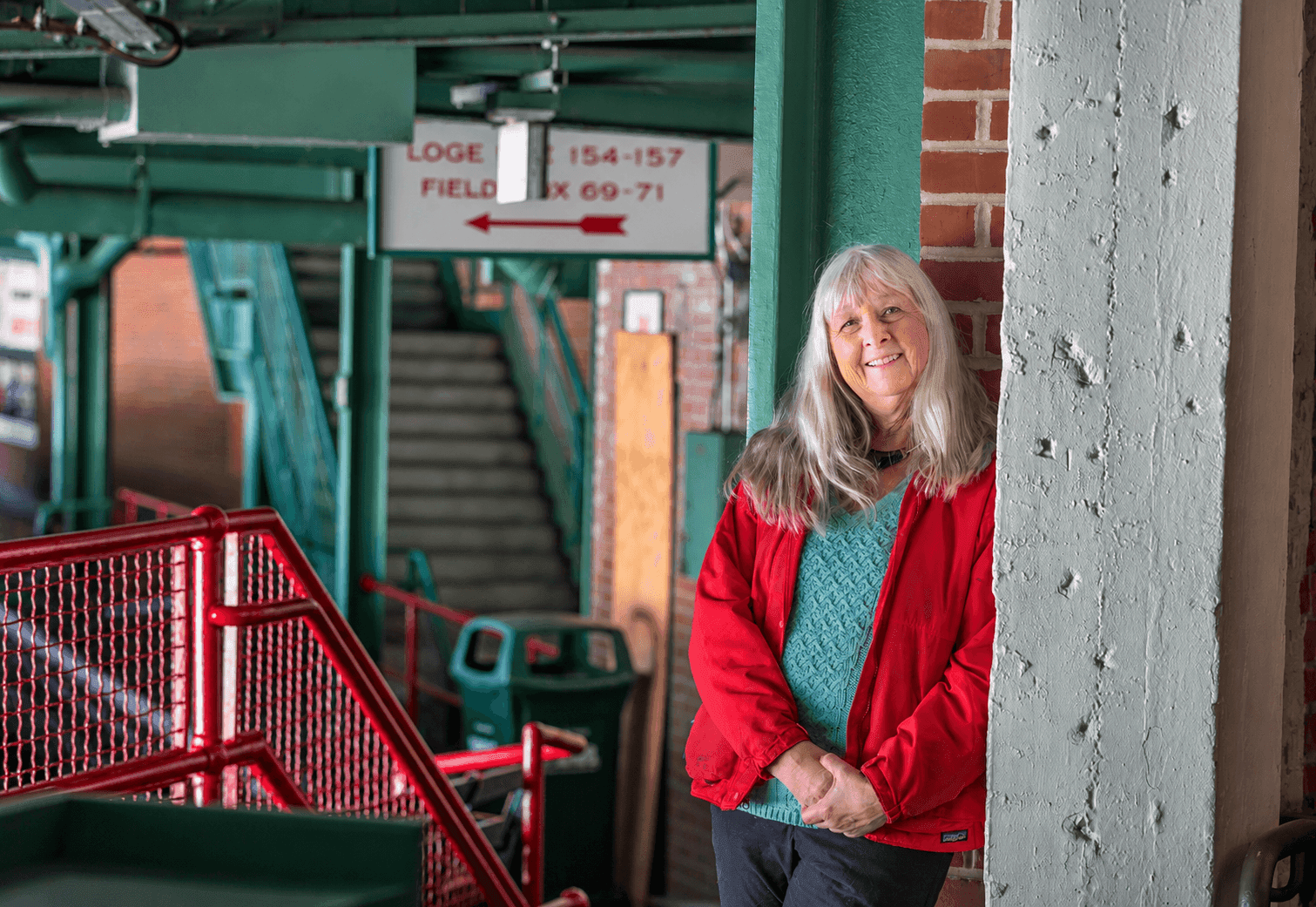
What I never anticipated was the intensely personal and often sexually charged media coverage. Baseball Commissioner Bowie Kuhn and many male sportswriters portrayed my request as an invasion of players' privacy, when the real issue was equal access to do my job. Women had historically been excluded from press boxes, dugouts, batting practice, and other spaces where male reporters routinely worked. By the time I began covering baseball, the clubhouse remained the last major barrier. My lawsuit challenged that exclusion, and Judge Constance Baker Motley's 1978 ruling in my favor was subsequently upheld on appeal. The experience was far more difficult than I had imagined, but it opened doors for generations of women journalists.
For many years, I thought more about the personal consequences of the lawsuit than its historical significance. Almost overnight, I had gone from relative obscurity to national notoriety, and the often cruel and misleading media coverage took an enormous emotional toll. The stress affected my personal decisions in ways I later came to regret, something I explore candidly in my book.
After leaving sports journalism, I moved on to CBS News and then Time magazine, covering everything from the 1984 Olympics to presidential campaigns and social issues. It wasn't until years later, when teachers began inviting me to speak with students about my experiences, that I started to revisit the case and understand its wider significance. Becoming a mother at 46, when I adopted my daughter Maya from China, also encouraged me to reflect on what it meant to grow up as a girl in the 1950s and 1960s. As students began researching my lawsuit for National History Day projects and the Association for Women in Sports Media honored me with its courage award, I realized how much this story continued to resonate with younger generations.
I eventually returned to the extensive collection of newspaper clippings and court documents I had donated to the Schlesinger Library at the Harvard Radcliffe Institute. Revisiting those records helped me see my personal experience within the larger context of the women's movement. My case emerged at a time when women were challenging discrimination in workplaces traditionally dominated by men. Baseball's resistance, and the media's fascination with the supposed invasion of male-dominated spaces, reflected the broader anxieties surrounding women's changing roles in American society. Only with time did I fully appreciate that what I had endured was not simply a personal battle over access to a locker room, but part of a much larger struggle for equality.
The changes over the past 50 years have been extraordinary. When I began my career, women were often relegated to the "women's pages" of newspapers or assigned to cover the First Lady rather than the President. At Sports Illustrated, women predominantly fact-checked stories written and edited by men, even though our titles were "reporter-researcher." During the 1970s, women journalists, including those at Time Inc., were taking their employers to court over discriminatory hiring, promotion, and pay practices – and winning those cases, forcing change.
Today, women work across virtually every area of journalism, from political reporting and war coverage to sports broadcasting and investigative journalism. The growth of women's professional and collegiate sports has also created opportunities that would have been unimaginable when I started my career, when women's tennis, golf, and the Olympics accounted for much of the media coverage of female athletes. Although men still dominate many areas of sports broadcasting, women's visibility and influence have expanded enormously. At the same time, the journalism industry faces serious economic challenges, with far fewer well-paid, full-time positions available. So while opportunities for women have broadened considerably, finding a sustainable career in journalism can, in many respects, be more difficult today than it was in the 1970s.
Throughout my career, I became increasingly interested in reporting on the lives of women, girls, and families, particularly issues that weren't receiving enough attention in mainstream journalism. At Time, I covered subjects ranging from teenage pregnancy and childcare to feminism and working mothers. This interest continued through my 1997 book, On Our Own: Unmarried Motherhood in America, and later through my work editing Nieman Reports.
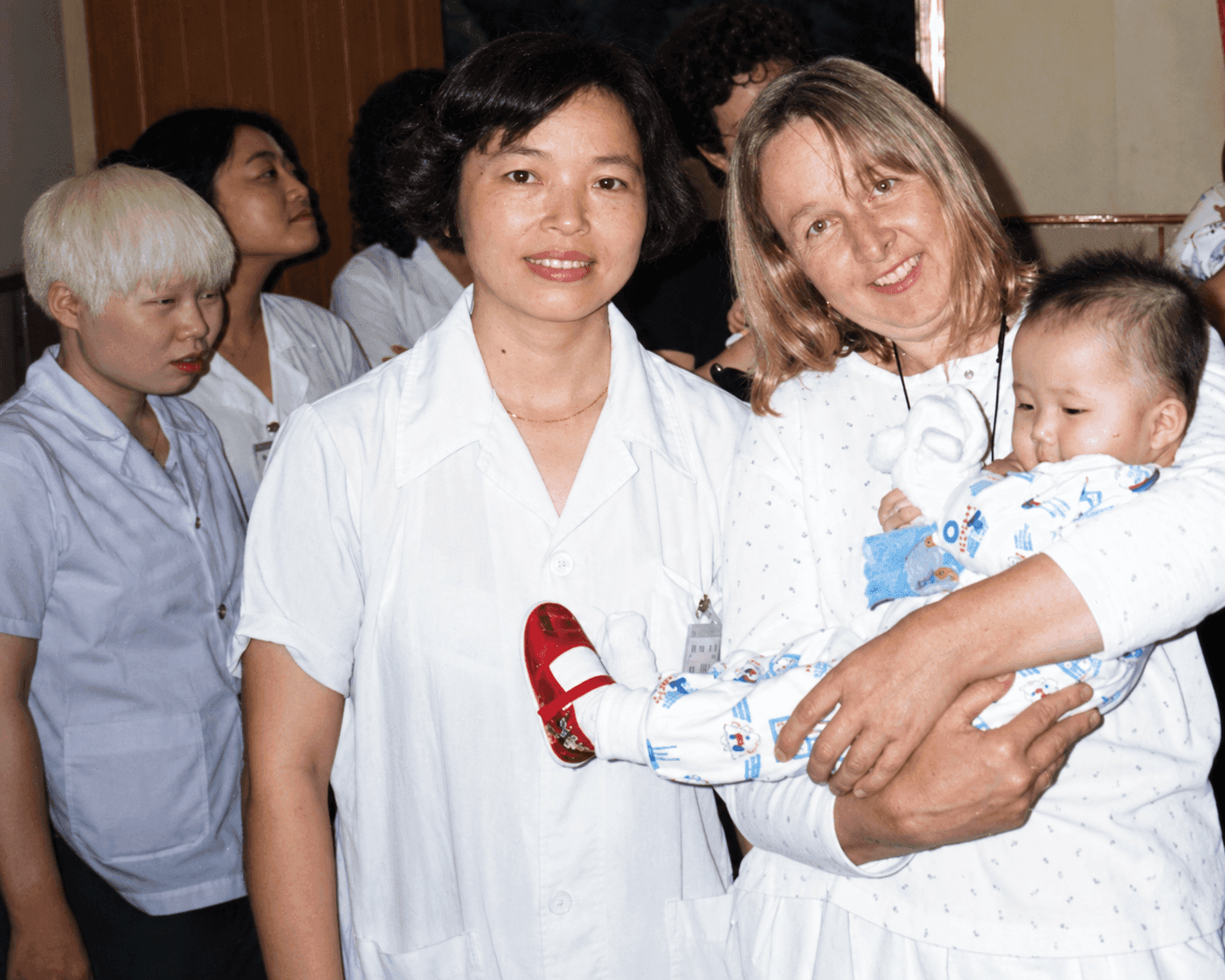
When I adopted Maya from China in 1997, these professional interests became deeply personal. I became involved with Families with Children from China and edited our journal, China Connection, which explored questions of identity faced by Chinese adoptees growing up in predominantly white American families. I was fortunate to raise Maya in a diverse community where she attended public schools with children from many different backgrounds and spent time with other Chinese adoptees. When she was seven, I took her back to China, including a visit to the rural town where she had been found as an infant. I knew then that one day I wanted her to return and experience that community more deeply.
When Maya was 16, I proposed that we travel back to Xiaxi, the village where her adoption records indicated she had been found at just three days old. With the help of Chinese journalists I had befriended at the Nieman Foundation, I arranged for her to meet girls her own age who had grown up there during China's one-child era. Maya had studied Mandarin in high school, which helped her communicate with them. Her former orphanage crib mate, Jennie, joined us, and I hired a bilingual journalist and videographer to accompany the girls as they explored what their lives might have been like had they grown up in these farming villages.
I was thrilled when Maya agreed to this journey. What began as a three-week trip intended to give her a deeper understanding of her Chinese heritage eventually became Touching Home in China, a multimedia storytelling project combining video, photography, and personal reflections. I had initially imagined making a short documentary, but after reviewing the material, we realized that this format offered a richer way to share the experience. It brought together two parts of my life that had always mattered deeply to me: motherhood and storytelling.
One of the most profound experiences of my life occurred when I was 29 and became seriously ill. I was initially diagnosed with what doctors believed was an incurable cancer. Thankfully, that diagnosis proved to be incorrect, although the cause of my illness remains a mystery. Recovering from that experience strengthened my determination to live each day as fully and meaningfully as possible.
My legal battle with Major League Baseball was another defining experience. Enduring that difficult year taught me that I possessed an inner strength I hadn't fully recognized. With the extraordinary support of Time Inc., my attorney F. A. O. Schwarz Jr., and my parents, I came to understand that I had the capacity to stand up for causes I believed in, even when doing so was personally difficult. That conviction continues to guide me today. In my later years, I am devoting considerable time to advocating for social justice, women's and girls' rights, and climate action. I consider it a privilege to wake up each day knowing I can contribute, alongside others, to causes that matter deeply to me and to the future of our children and our planet.
That's simply impossible to answer! I've been fortunate to live an extraordinary life filled with remarkable opportunities to tell other people's stories, as well as my own, which I do now through weekly essays I write on Substack. For four decades, my responsibilities as a journalist placed certain limits on my ability to engage in advocacy, particularly on issues I might be called upon to cover professionally. When I left journalism in 2012, I experienced a new kind of freedom: the opportunity to become actively involved in the causes I believed in without the constraints of being a reporter.
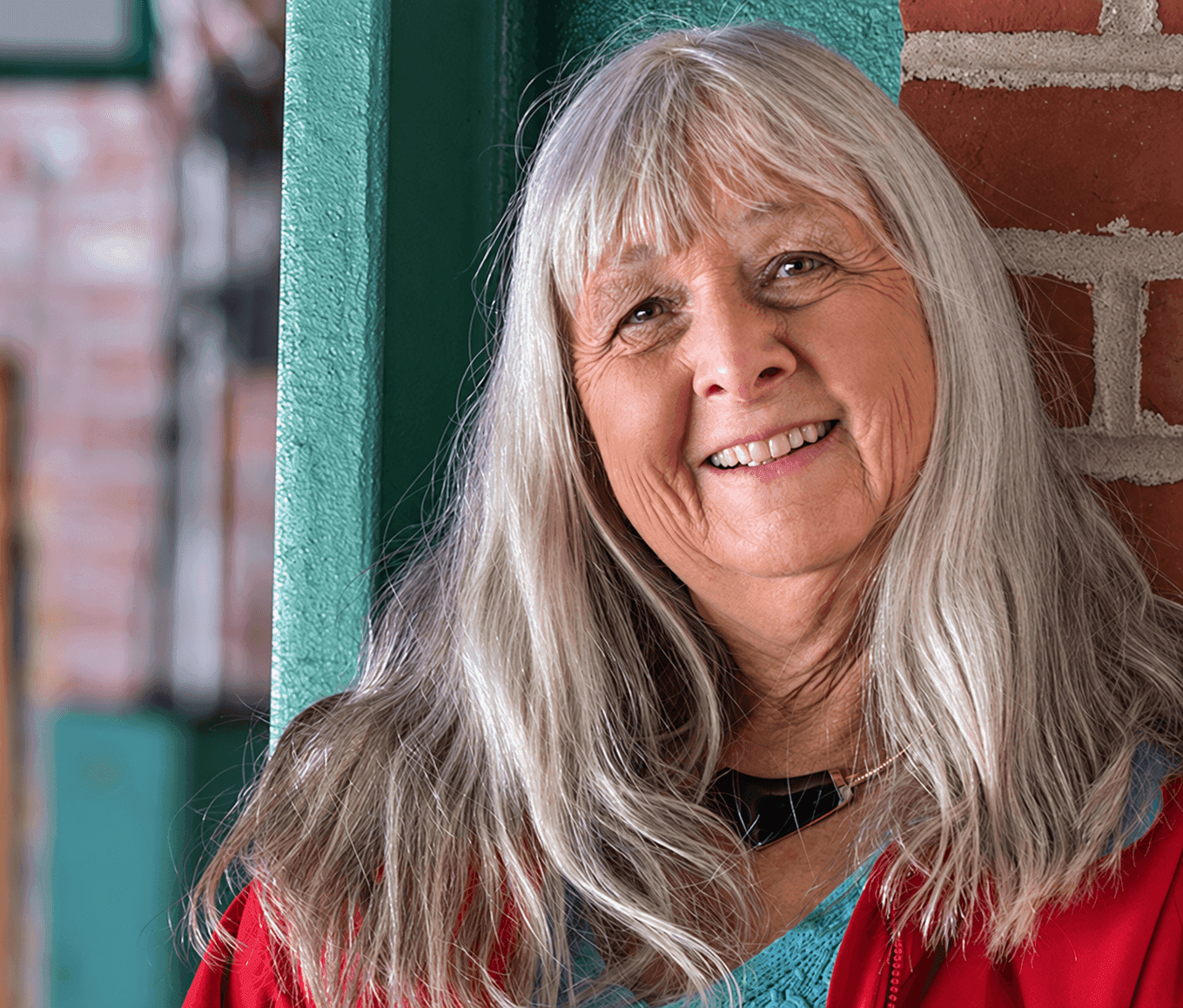
Over the past 14 years, I've embraced that opportunity wholeheartedly, joining organizations and groups working on issues that matter deeply to me. Along the way, I've built new communities, developed wonderful friendships, and discovered additional ways to contribute. I recently told a friend that I believe my seventies have been the happiest years of my life. Much of that happiness comes from finding meaningful ways to give back to younger generations, particularly through writing my book and speaking with students and other audiences about women's rights, both past and present. It also comes from the energy and purpose I find in working with others who share my commitment to addressing the urgent challenges of our time.
For starters, read. Read widely and often, and don't be tempted to let artificial intelligence do your writing for you. Challenge yourself to express your own thoughts and experiences in your own words. Begin by writing about what you know, but then push yourself to explore subjects and environments that are unfamiliar to you. Break away from routine, seek out experiences that are different, and allow yourself to be challenged. Above all, be curious. Let your curiosity lead you to people, places, and ideas you might once have considered unapproachable.
Learn to feel comfortable talking with strangers about their lives. Listen carefully to their stories, and then explore how you can be a storyteller yourself. Don't rely exclusively on social media and digital communication. Talk with people face-to-face, look into their eyes, and learn to recognize and respond to human expressions and emotions. Your most important professional tool, and one of your greatest assets in life, is your ability to think critically. That ability develops when you absorb what you learn, question assumptions, explore new ideas, and combine knowledge with your own instincts to make thoughtful judgments.
And remember that advocacy, whether it takes place in a courtroom, within a social movement, or among people united by a desire to correct an injustice, begins with empathy. When we cultivate empathy, we become more aware of the unequal or unfair treatment others experience. We are more likely to recognize injustice, care about its consequences, and act to improve circumstances or prevent similar harm from occurring again.
I've returned to Rome many times over the years, and as I mentioned in my essay, my connection to St. Stephen’s has even extended to the next generation. My daughter Maya attended a summer course at the school on the History of the Renaissance, a subject that had such a profound influence on my own life when I studied it here decades earlier.
I hope to spend a more extended period there in the future. My dream is to arrange a housing exchange with someone in Rome who would like to spend a semester or so living in Cambridge, Massachusetts. I've already spoken about the extraordinary friendships and connections that have stayed with me since my St. Stephen’s days, but there's one more story that illustrates just how enduring those relationships can be.
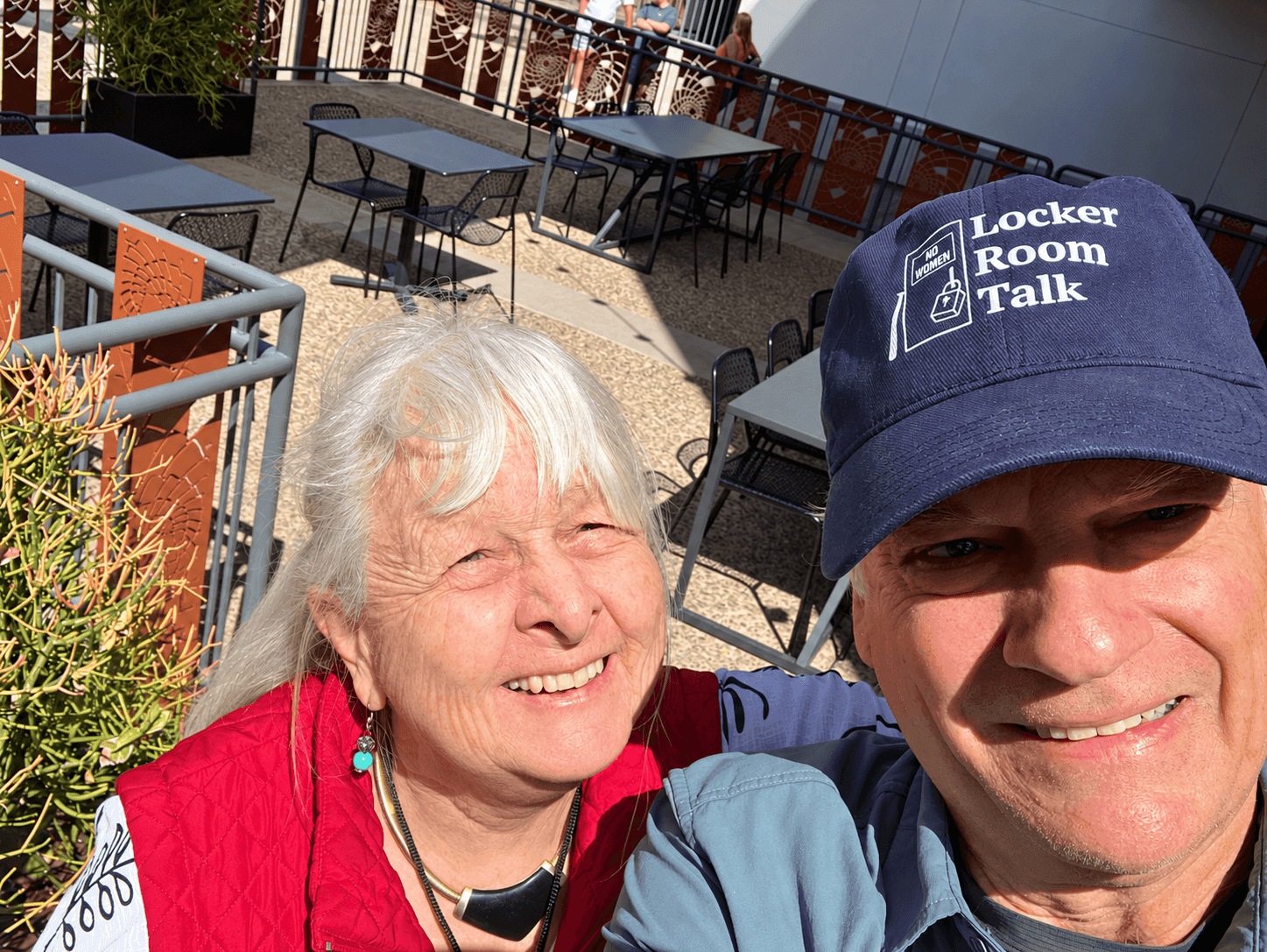
After I finished writing my book, even before it was published, my St. Stephen’s classmate Mark Woodhams contacted me from Tucson, Arizona. Mark and I have remained in touch through the years, and like me, he had taught journalism. He asked whether I would like him to recommend me and my book for the annual Tucson Festival of Books, one of the country's most prestigious literary festivals. Both Mark and his wife had served on the festival's board and they knew its organizers. Naturally, I said yes! The timing didn't work out that first year because my book had not yet been published, but Mark remembered, and we reconnected ahead of the following year's festival in 2025. This time, my book was accepted; I participated in three presentations over two days. Without Mark thinking of me and generously offering his support, that opportunity would never have happened. And all of this took place 56 years after we graduated from St. Stephen’s! That is the remarkable thing about the connections we made there. They continue to enrich our lives, sometimes in entirely unexpected ways, decades later.
Rome remains at the very core of who I am: as a person, a lover of art, a mother, a friend, and an active citizen.